My Perspective on the U.S. Supreme Court: Power, Process, and Principle
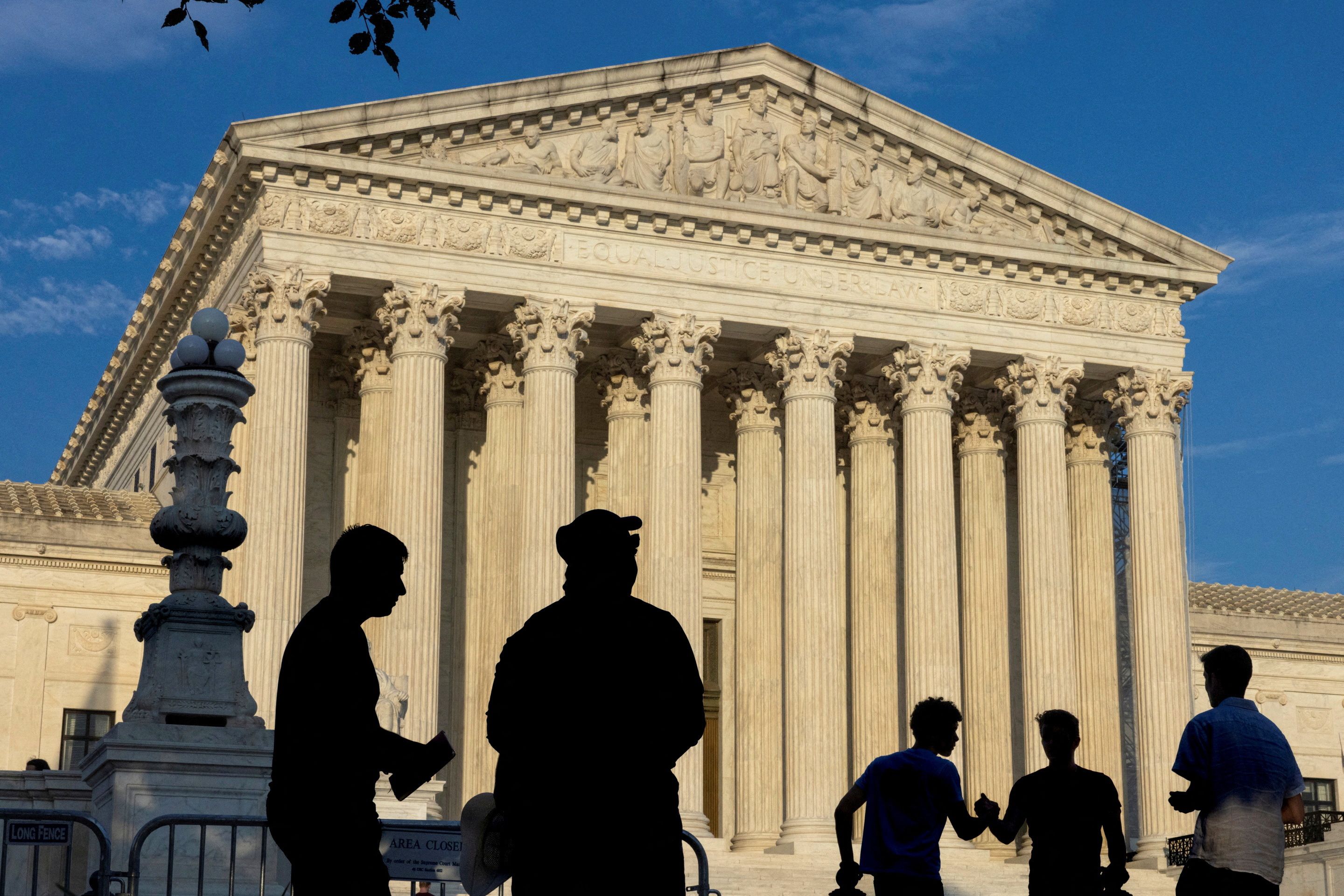 |
| U.S. Supreme Court |
Each year, the Court receives around 7,000 petitions, but only a select few are heard. I’ve learned that justices meet to decide which cases are worth reviewing, focusing on those with significant legal or constitutional implications. Once a case is accepted, both sides get 30 minutes to present their arguments. During this time, justices ask tough, questions that challenge lawyers to defend their reasoning from multiple angles.
.jpg) |
| Dred Scott |
The Court’s history is complex whilst only being a bit older than 200 years old. Figures like Chief Justice John Marshall helped establish its authority and public trust, but cases like Dred Scott v. Sandford remind me that even the highest court can make deeply flawed decisions.
I believe the Supreme Court’s power lies in public trust. People obey its rulings not because they’re forced to, but because they believe in its legitimacy. That trust is essential. Without it, our legal system—and perhaps our democracy—would be at risk.
While watching the video I realized, the Court represents something bigger than politics. It’s about principles, integrity, and a long-term vision for justice in America.
AI disclosure: After taking notes whilst watching the Supreme Court video in class, I used Microsoft Copilot to smooth the text and format it in a way that was precise and formatted in a readable way. I edited the text and expanded on the AI generated text by adding my personal thoughts and also my personal words.


No comments:
Post a Comment